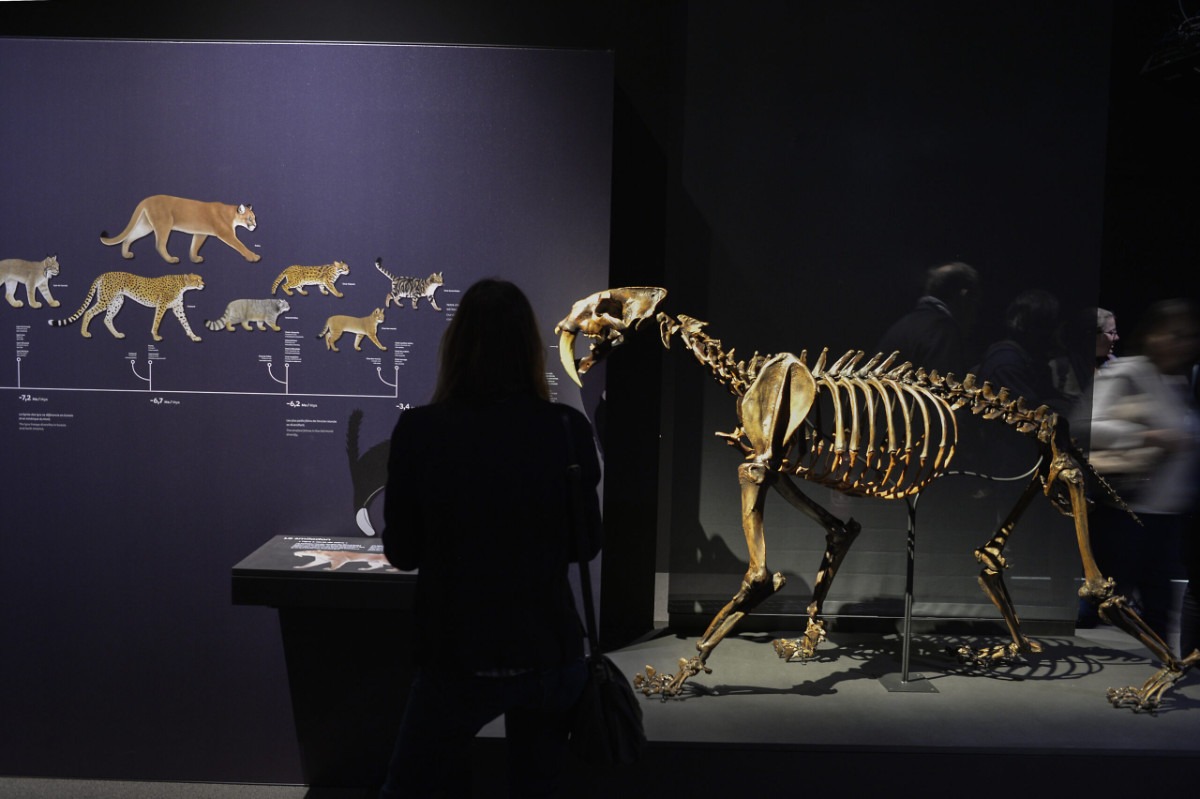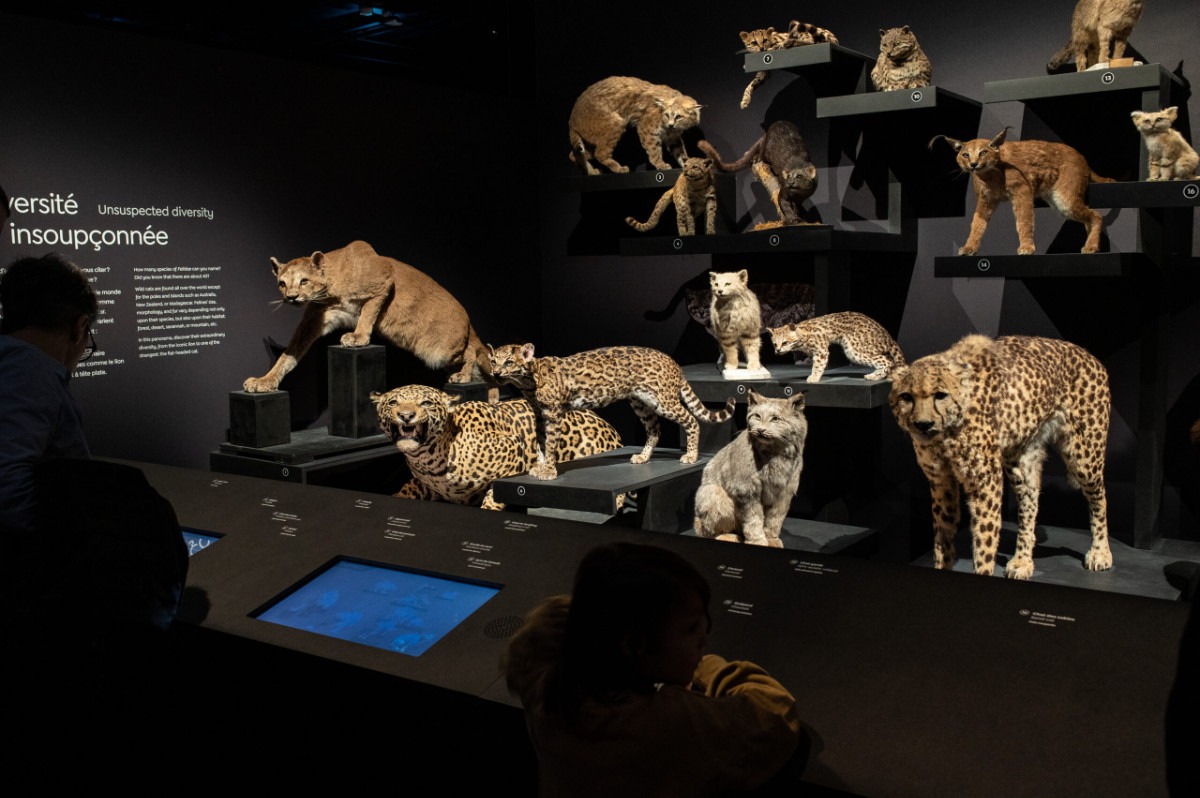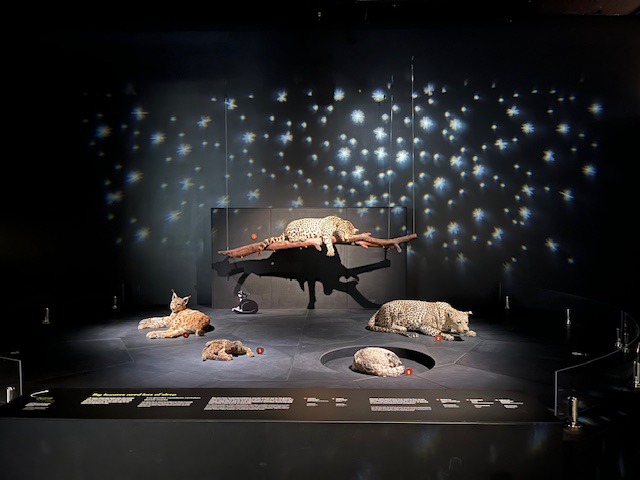
Felines was originally presented in the Grande Galerie de l’Evolution at the Natural History Museum in Paris from 22 March 2023 to 21 April 2024. The exhibition then embarked on a tour in North America, stopping at major venues in Toronto, Chicago and Los Angeles. The three presentations attracted a combined total of nearly 400,000 visitors, an attendance figure which doubled the exhibition’s total visitor numbers.
For this project, tailored adaptations have been implemented throughout the tour, as the fruit of close collaboration between production teams in Paris and hosting teams across the Atlantic. In this article, the Muséum national d’Histoire naturelle (MNHN) team shares insights into how museographic adaptation and content localisation lie at the heart of the making and success of international travelling exhibitions, with the example of the Felines exhibition.
The blueprint travelling exhibition format
The Muséum national d’Histoire naturelle offers comprehensive dematerialised adaptations of its Paris exhibitions, with a blueprint package format. With this touring offer, cultural partners who host the exhibition can adapt and produce the project’s design and graphic elements for their presentation of the show, in a way that resonates with their specific communities and fits their unique architectural footprints. The Paris-based teams support the hosting teams with content provided in the form of digital assets and expert interpretative and museographic guidance, all along the development process.
While anchoring each presentation in the original exhibition content, the tour embraced local identity for each venue.
Title adaptation: a tailored name for each venue
For the tour of Felines, each venue chose its own exhibition title, to suit their programming strategies and target audiences. The exhibition was presented with 3 different titles, including:
- Wild Cats, on display from 15 June to 20 October 2024 at the Royal Ontario Museum (ROM) in Toronto, Canada.
- Cats: Predators to Pets, presented from 29 November 2024 to 27 April2025 at the Field Museum in Chicago, USA.
- Fierce! The Story of Cats, which ran from 13 July 2025 to 18 February 2026 at the Natural History Museum of Los Angeles County (NHMLAC), USA.
Content adaptation: local additions and layout adjustments
While anchoring each presentation in the original exhibition content, the tour embraced local identity for each venue. A number of regional elements were weaved in the narrative arc, the visitor journey, and the displayed collections, ensuring the story resonated with each local community of visitors.
For instance, the original exhibition addressed threats through a general documentary film with a focus on the European lynx. For the exhibitions in North America, this theme was systematically revised to also highlight locally endangered species. For instance the Royal Ontario Museum included the Canadian cougar in the film, while the Field Museum focused on the pampas cat and the Florida panther, particularly in relation to local scientific research.
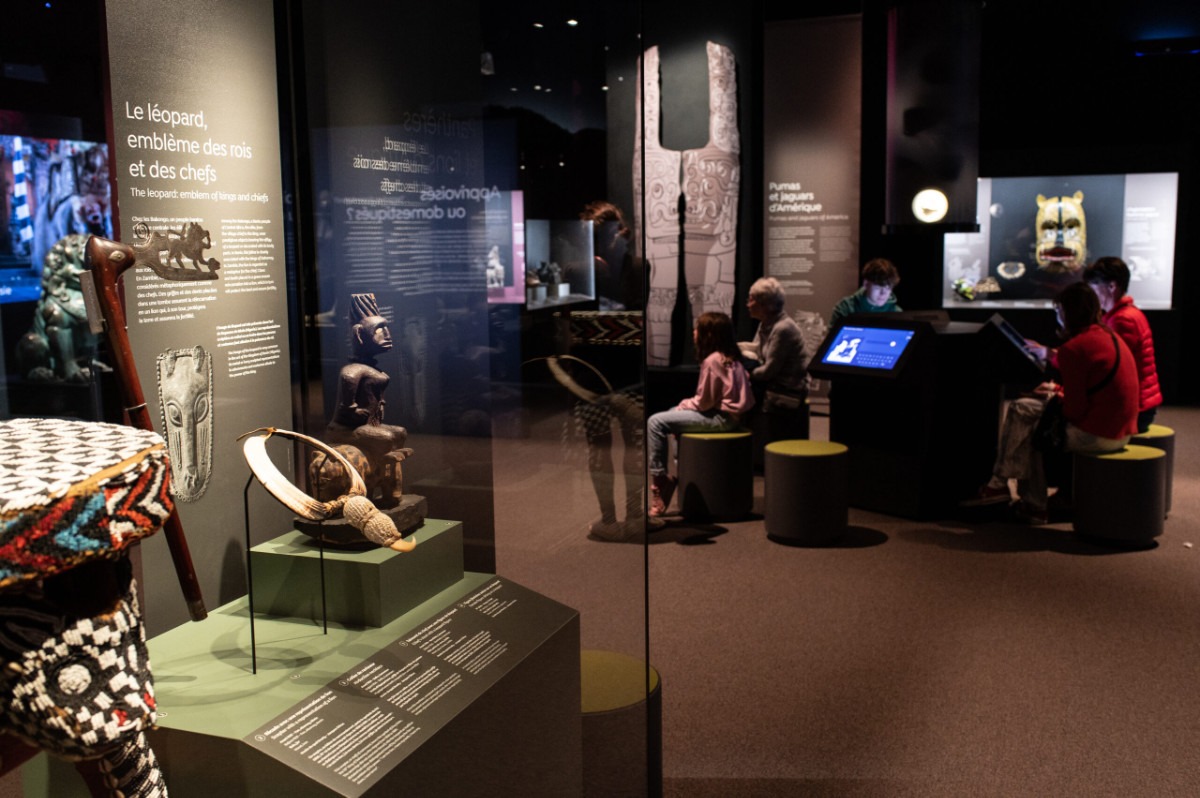
In Paris, the exhibition was divided into two sections: one dedicated to felines as objects of natural history, and one dedicated to felines as symbols in human cultures. Drawing on its rich ethnographic collections, the Royal Ontario Museum illustrated these cultural themes in detail. In contrast, the Field Museum and the Natural History Museum of Los Angeles County focused more extensively on natural history and local themes. In Los Angeles, content rooted in local culture, emphasising the role of felines in popular culture and cinema, was integrated, and the story of the P-22, the iconic Los Angeles cougar, was introduced.
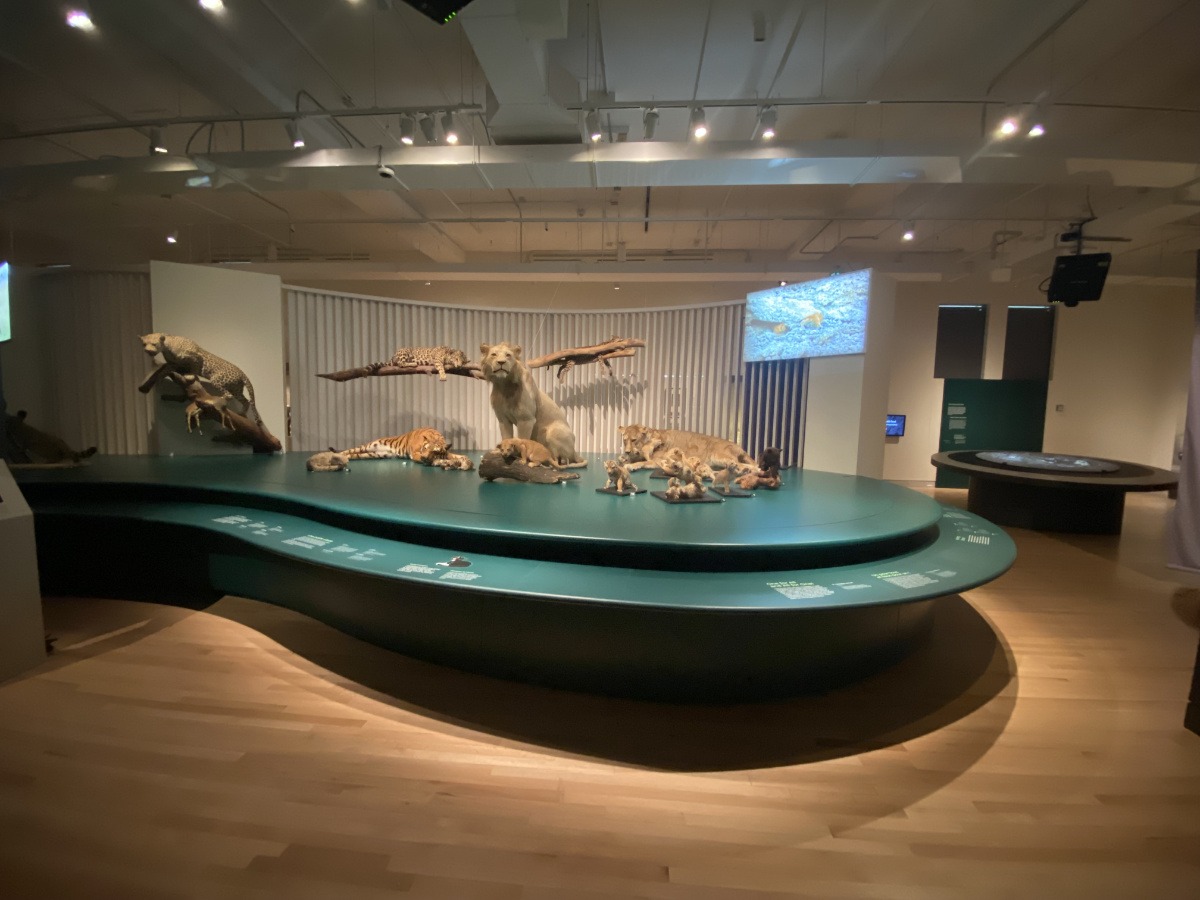
While some items came from the Paris museum, each hosting museum was also able to incorporate its own collections or local loans in the featured exhibitions.
Collections were also a key focus of adaptation. While some items came from the Paris museum, each hosting museum was also able to incorporate its own collections or local loans in the featured exhibitions. This approach fostered a rich curatorial dialogue between the Parisian collections and the unique heritage of each host institution.
For the development of the tour, all content adaptations and additions were designed in dialogue with the scientific curator, Géraldine Véron, Professor and scientific head of the mammal collections, and the project manager from the travelling exhibition team in charge of the project, Méline Sannicolo, who oversaw the museographic adaptations.
Text adaptation: a matter of accessibility
For international tours, text adaptation is always critical. Texts in both French (specifically for the Canadian context) and English were revised for the North American presentations. These rewrites were designed to align exhibition texts and labels with local themes and collections on display, while also ensuring the voice of the show was adapted to each city, making sure the wording was fluid and adapted to local linguistic conventions. This editorial flexibility is always important for hosting partners, as it enables them to maintain continuity with their usual tones and visitor engagement techniques.
Scenographic and graphic adaptation: a range of design approaches
The three exhibitions had slightly different surface areas and distinct spatial constraints, which required adaptations of the initial exhibit design created by the Muséum national d’Histoire naturelle.
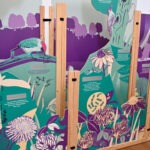
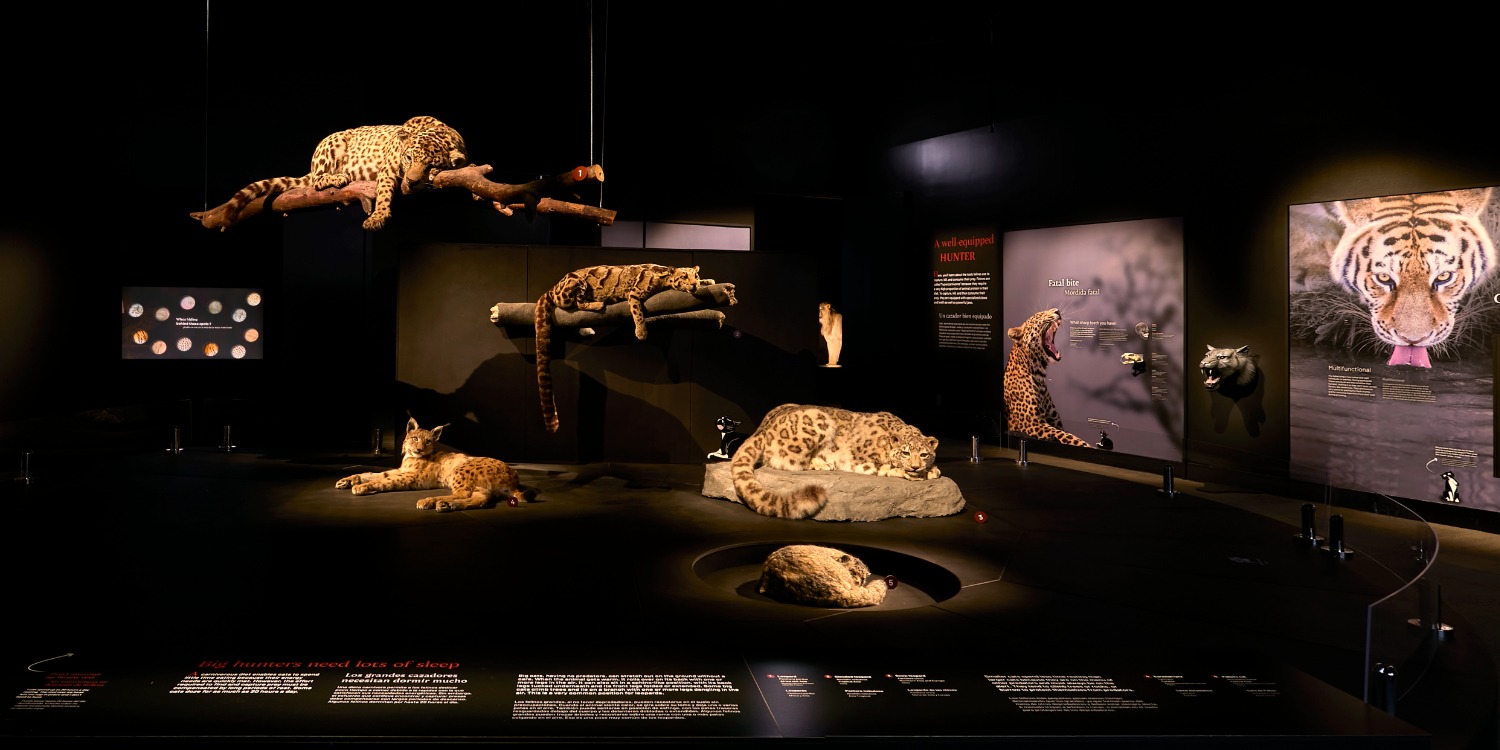
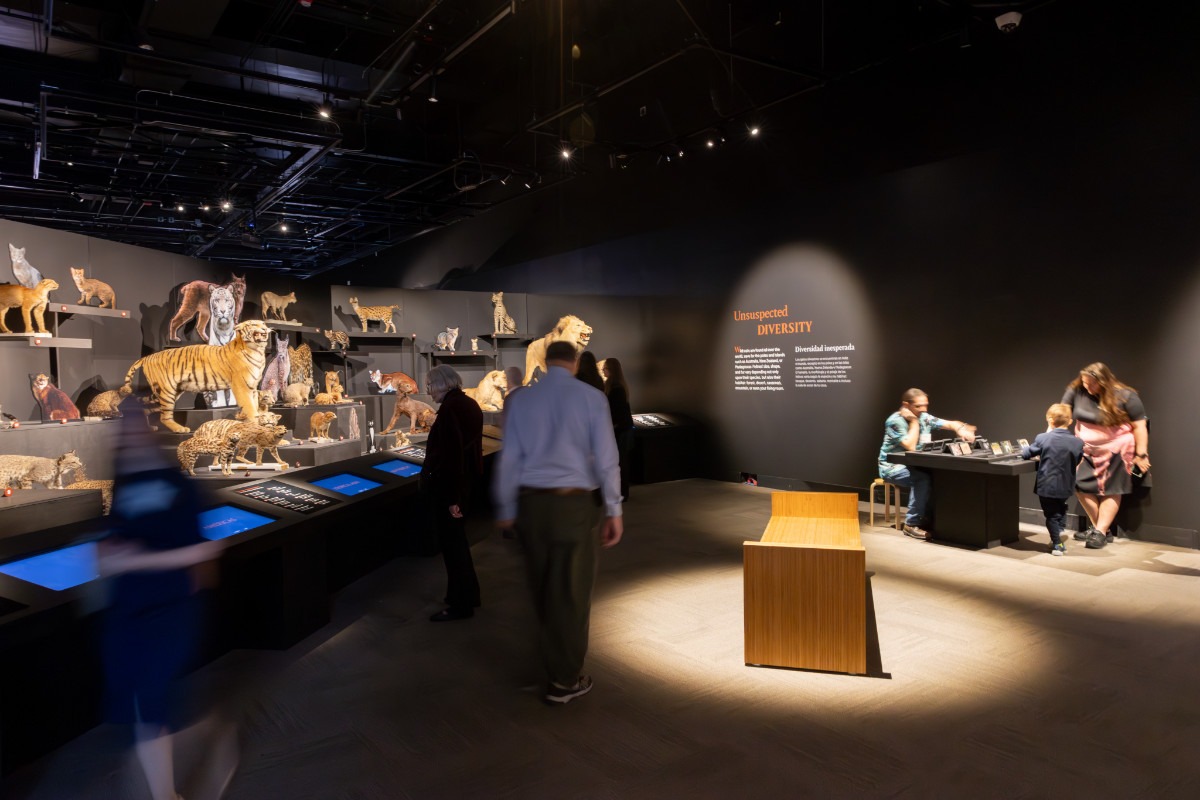
Although there was no requirement to replicate the original scenography, the three venues chose to retain several original design elements. This was the case, for example, with the large entrance panorama showcasing 38 species of felines, as well as the core graphic approach, featuring striking large-format photographs for each theme.
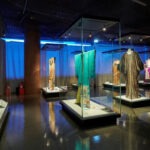
At the Field Museum and the Natural History Museum of Los Angeles County, the scenography echoed the Parisian original, preserving its signature dark atmosphere, black podiums, and dramatic, precise lighting. The Royal Ontario Museum chose to break from this aesthetic approach, with taller and round podiums, painted in a tone of green for the first section, and a minimalist, entirely white design for the cultural part of the exhibition.
An effective dematerialised approach in the context of global reflection on the themes of sustainable development and preservation of the living world.
A balance between original concept and specific local contexts
The core challenge for every touring project lies in striking a delicate balance: upholding the exhibition’s original scientific content and museographic vision, while seamlessly integrating the unique cultural and spatial contexts of local partners. Success hinges on continuous dialogue and deep cooperation between the lending museum team and the hosting teams.
The three presentations of Felines in North America demonstrate how the Muséum national d’Histoire naturelle and its hosting partners have embraced an effective dematerialised approach, relevant in the context of global reflection on the themes of sustainable development and preservation of the living world. The proposed model enables the Paris Museum team to remain consistent with the message of their exhibitions and core missions: by reducing transport and ecological footprint, by promoting local content and resources, and by contributing to the global discussion on the preservation of the living world at various levels.