Packing and shipping treasures around the world

A case study of the Machu Picchu & the Golden Empires of Peru exhibition tour

By EFM Global, Luke Bardall
4 months ago
United Kingdom
The EFM Global team shines a light on the main principles to follow when performing museum-grade packing and shipping for invaluable international collections, with the example of the international touring of the Machu Picchu & Golden Empires of Peru exhibition in 2025.

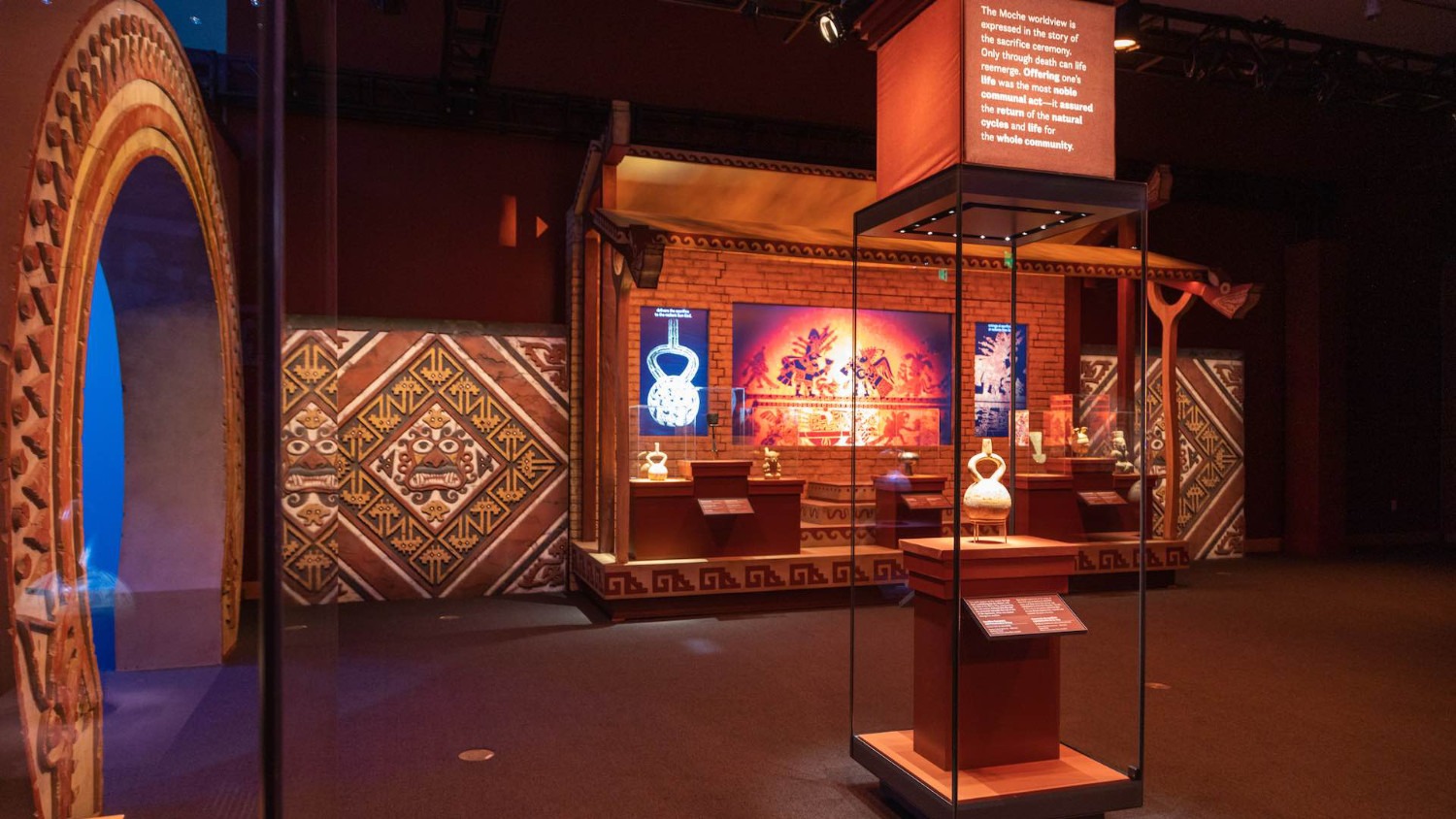
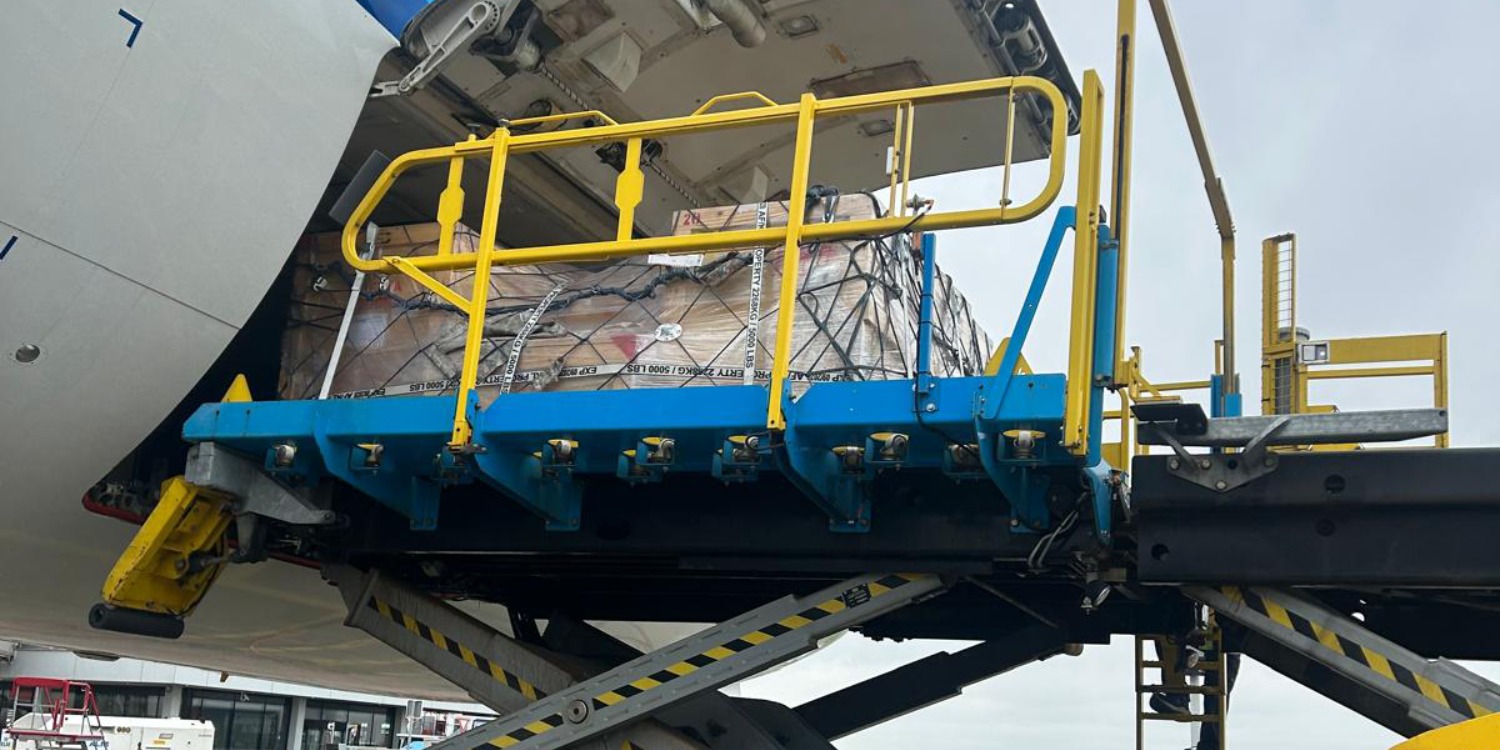
Touring exhibitions offer new audiences the chance to encounter extraordinary cultural objects, but journeys across the globe can always place collections at risk. From bespoke crating to customs clearances, each stage of movement must be structured to ensure the highest level of protection for the artefacts. The case of the Machu Picchu & Golden Empires of Peru exhibition, travelling Lima, Peru to Tokyo, Japan, opening in November 2025, highlights how precise logistics planning is essential for the preservation of fragile heritage materials on tour.

Crating strategy

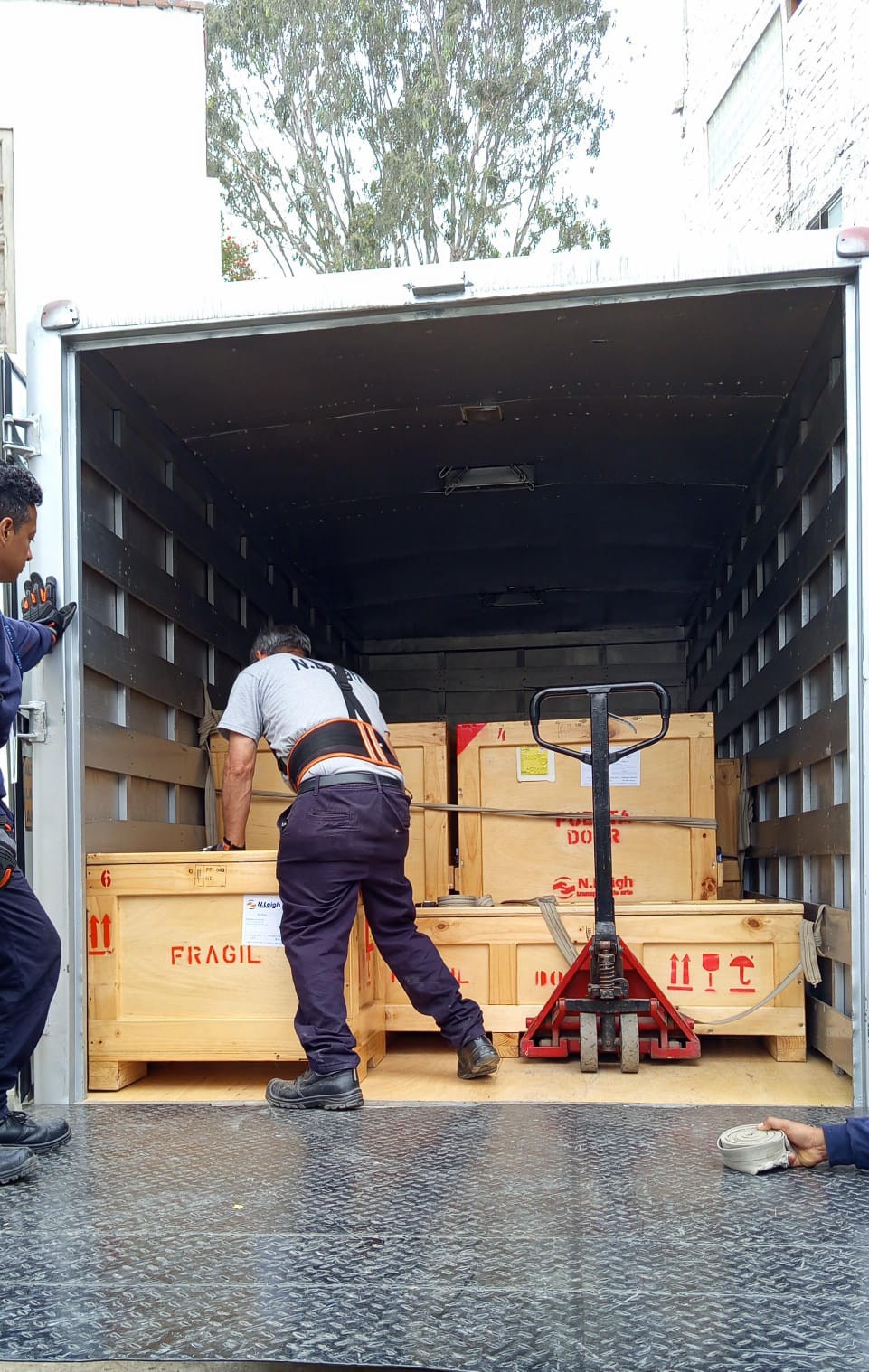
Secure international shipping starts with the crate. In museum artefact shipping, there is no such thing as a ‘standard’ crate, since objects present different requirements. Every crate must be engineered for the specific object it holds, taking into account its materials, condition and fragility, size, climate sensitivity, and travel distance. Each packing device is designed to serve the key functions of crating: protection, monitoring, and stabilisation. The artefacts’ packing protocols, tailored to each object, must hold up under customs inspections, climate changes, vibration, and, sometimes, weeks in transit. For the Machu Picchu & Golden Empires of Peru exhibition, each artefact has been packed in a custom-built crate, with vibration-absorbing interiors, sealed compartments and multi-layer insulation, to offer maximum protection to the invaluable collection.

Every crate must be engineered for the specific object it holds, taking into account its materials, condition and fragility, size, climate sensitivity, and travel distance.

© NEON Global
Travel strategy

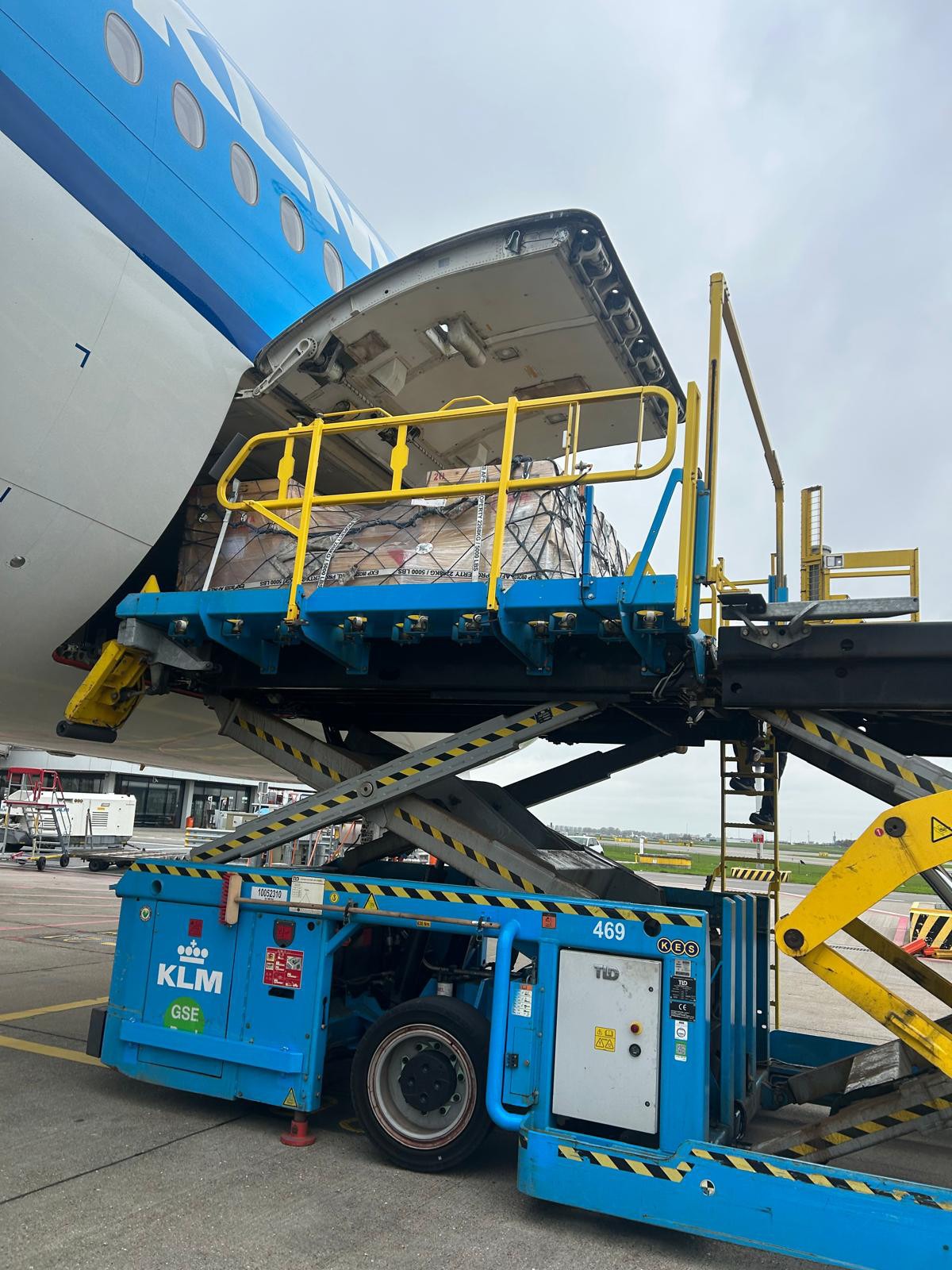
Conservation criteria will also impact and be integrated into the logistical planning. Transit routes are mapped not only for time efficiency, but also according to multiple criteria discussed and prioritised with the exhibition organiser – who, for the Machu Picchu exhibition, have been entrusted by the Ministry of Culture of Peru to care for the artefacts for the duration of the tour. For example, routing can be designed with the purpose of minimising exposure to temperature swings or customs delays, to lower handling, or to minimise vibration, shock and exposure to extreme environments. In the case of the Machu Picchu multi-venue tour, handling artefacts made of gold required the highest level of security. Preparatory work focused on mapping out transit modes, transfers from one team to the next, and environmental risks at each leg and transition. The routing ensured minimised layover time between connecting flights and extra security within the airport terminal to keep close watch over the artefacts at all times.

Partnership coordination

The Machu Picchu exhibition was also a particularly great illustration of the crucial role played by excellent collaboration and communication between logistics teams and the partner teams on the tour. From the moment crates were designed to the instant they opened at venues, conservation and logistics operated hand in hand. Live tracking and condition reporting enabled the exhibition organiser and conservators to follow each object’s journey and detect any risk at very early stages. More widely, the coordination between the team responsible for logistics management, and couriers, handling agents, and conservation leads, ensured the crates’ integrity was maintained through airport transfers, last-mile delivery, and unpacking on site. This way, the collections were fully safeguarded all along the multiple phases of the tour, from crates design to white-glove handling and display.

Through meticulous handling, documentation, and collaboration among registrars, shippers, and local agents, logistics transforms from a backstage task into a core conservation strategy —protecting the stories and material legacies that connect cultures worldwide.

Luke Bardall
Global VP of Touring Exhibitions of EFM Global

Cross-border shipping also means complex compliance and very high security requirements.

Regulations and security management

Cross-border shipping also means complex compliance and very high security requirements. As exhibitions travel around the world, logistics teams manage customs regulations, insurance, indemnity arrangements, and CITES permits, as well as airport tarmac supervision, secure storage and transit all along the journey, each step with its own deadlines and restrictions. For the Machu Picchu experience, EFM’s museum logistics teams worked closely with government authorities, specialist customs teams and hosting venues to ensure every shipment met the specific legal requirements of each country involved. The team deployed security during movements, as well as when stored in transit, ensuring collections were always held only in high-security, access-controlled facilities with 24/7 monitoring and never left unattended.

Takeaways

All in all, effective packing and logistics for museum-grade touring exhibitions is a technical, collaborative process that blends cultural objects expertise with material science, logistical precision and regulation and safety knowledge. Budget is also a major factor to be considered, especially for a project like the Machu Picchu exhibition where the artefacts had to be returned to Peru between exhibitions. EFM’s knowledge of the exhibition proves invaluable to support the success of the tour. For every new location comes a new challenge – security risks, flight routings and layover schedules, customs rules and import regulations for hosting venues.

For complex international exhibitions with precious collections, continuity of collaboration with a trusted and reliable logistics partner may prove particularly essential, especially when entering new markets, or locations where privately funded venues are hosting the exhibition.

EFM Global will have a booth at the 2026 Touring Exhibitions Pavilion. Reach out to EFM Global team to meet at the event!

About the authors & contributors
Since 2000, EFM Global has been providing specialist logistics services to major events and projects around the world. Leading brands and the biggest names in Touring Exhibitions, Trade Fairs, Hotel Logistics, Live Events, Music Tours and Sports Events and TV & Film, trust and rely on our expertise to deliver complex, technical and cost-effective solutions whilst ensuring a safe working environment for our…
Picture of Luke Bardall
Luke Bardall

Luke Bardall is the Global VP of Touring Exhibitions of EFM Global and has worked in the exhibition logistics industry for over 20 years. After several years in trade fair operations EMEA, Luke moved into business development for one of the largest logistics companies in the world. Since 2017, Luke has been the driving force in building the fast-growing EFM Touring Exhibitions division globally.
Related articles

Sign up for updates

Stay tuned for announcements and exhibition news

Subscribe to receive regular industry updates every 2 months

Search everything