The success of touring exhibitions is often evaluated by the number of venues they reach or by the number of visitors they attract. Yet these metrics tell only part of the story. The most enduring impact of a touring exhibition is largely invisible: the conservation of works, the research it generates, the visibility it gives to overlooked collections and artists, and the partnerships it strengthens. Together, these can transform the cultural reach of a museum, its actions, its research and its collections. Touring exhibitions enhance cultural heritage and when they come to an end, their legacy continues.
One of the most tangible ways in which touring exhibitions generate value is by supporting the conservation of museum collections.
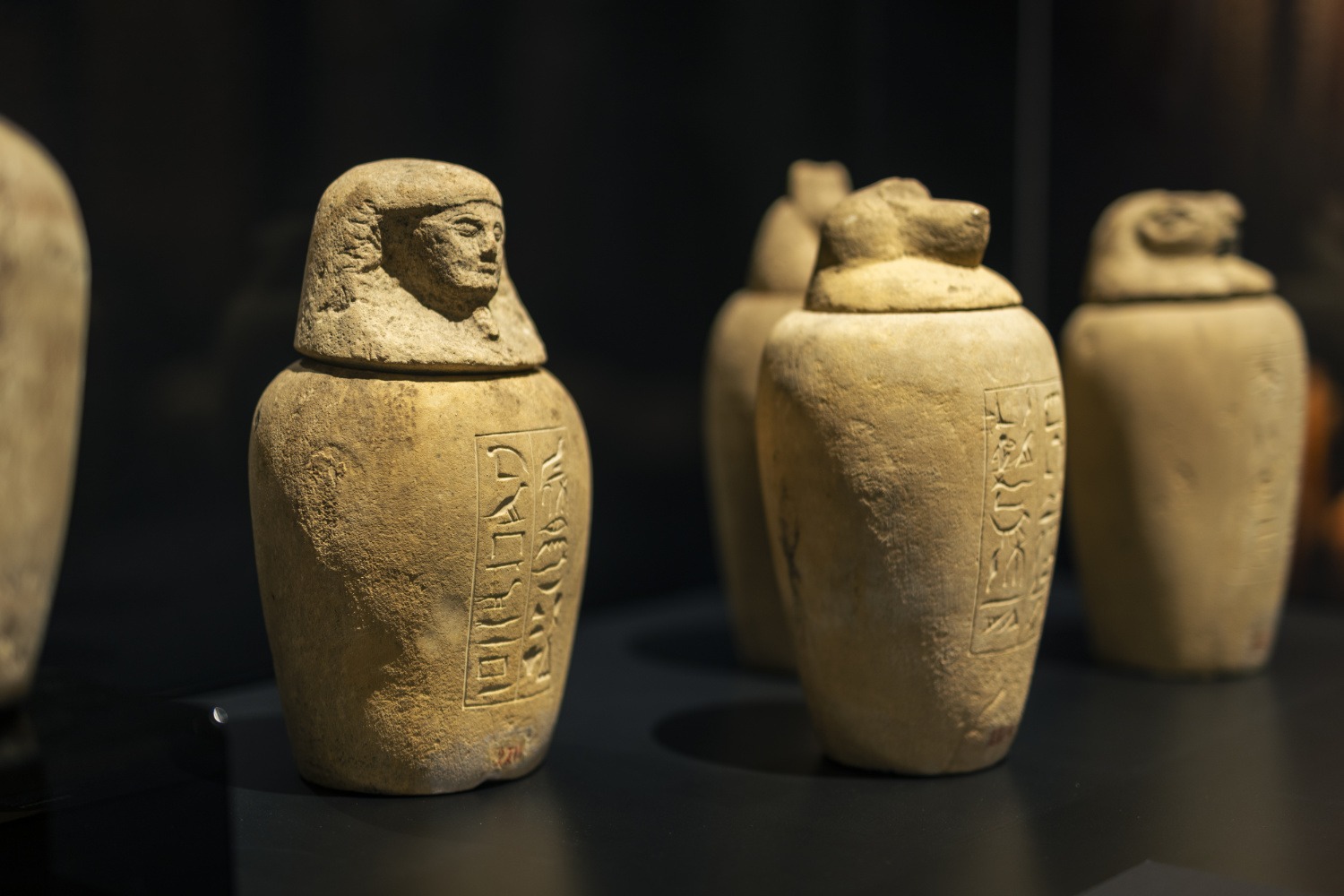
Touring exhibitions are opportunities for museums to support conservation
One of the most tangible ways in which touring exhibitions generate value is by supporting the conservation of museum collections. Many museums hold thousands of objects that are rarely displayed due to limited gallery space, conservation challenges and restricted budgets. These artefacts remain in storage, inaccessible to the public, yet they are no less valuable for it. A touring exhibition can be a unique opportunity for museums to enhance their collections through restoration works that would otherwise be difficult to finance.
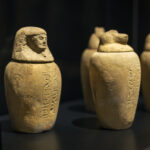
This was the case for the exhibition Egyptian Mummies. Journey into Immortality, developed by Contemporanea Progetti in collaboration with the Museo Archeologico Nazionale of Florence, Italy. The exhibition brought together more than one hundred archaeological artefacts exploring the ancient Egyptian concept of the soul’s journey into the afterlife. Few visitors would have known that many of the selected objects – some over 3,000 years old – had been in storage for years because they required conservation treatment before they could safely travel or be exhibited.
The development of the touring exhibition made these interventions possible. Conservation treatments that would have been difficult to finance through ordinary museum budgets were carried out, allowing numerous artefacts to be studied, restored and presented to the public once again.
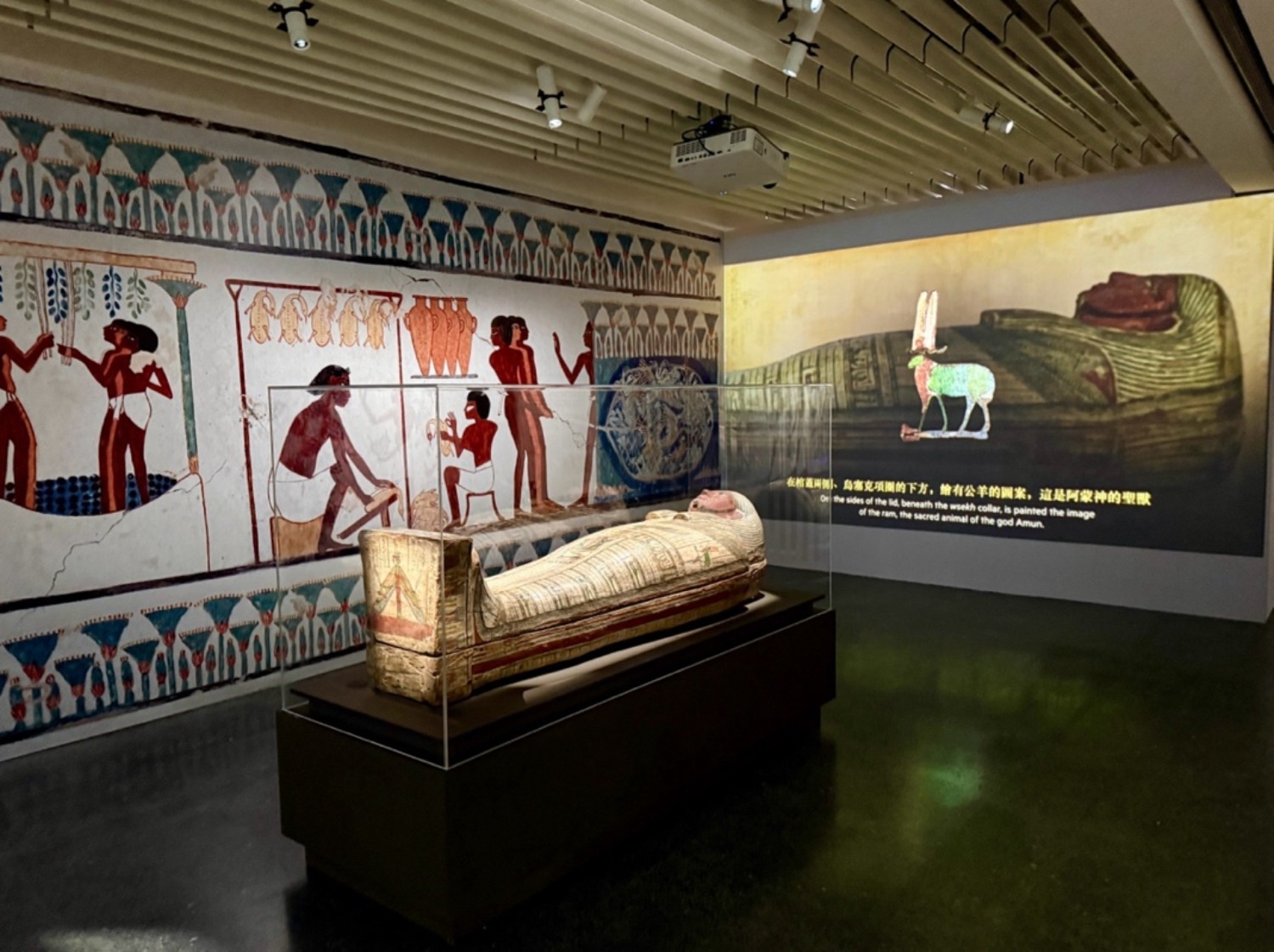
The conservation process itself then became part of the exhibition narrative.
Restoration in practice
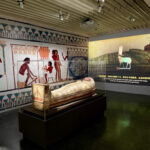
The edition presented at the National Museum of History in Taipei offers two clear examples of the conservation work this tour made possible.
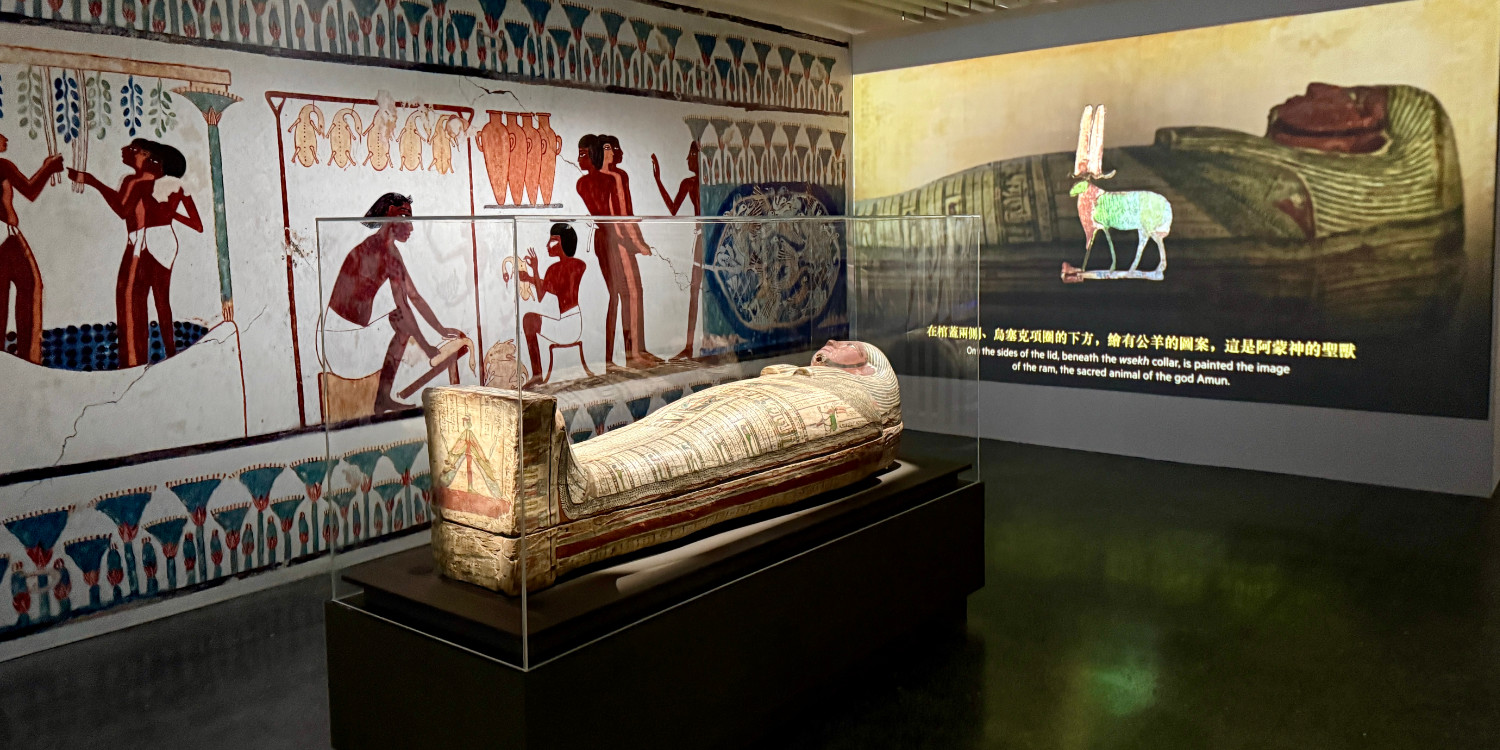
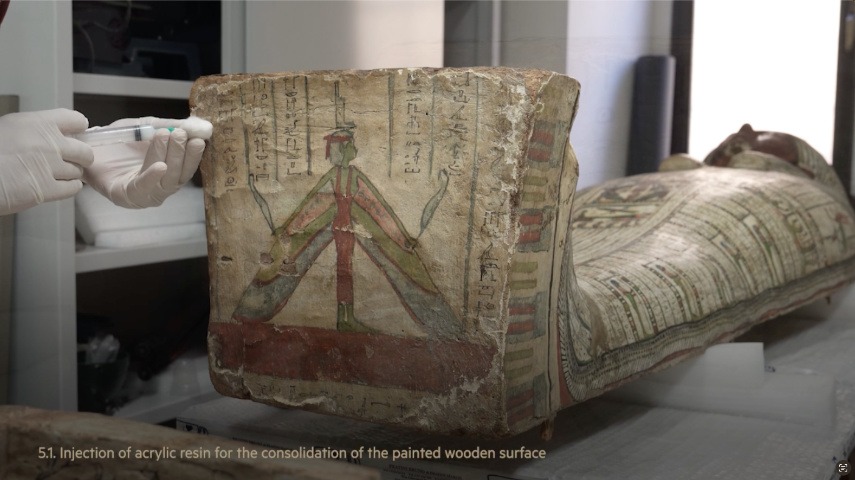
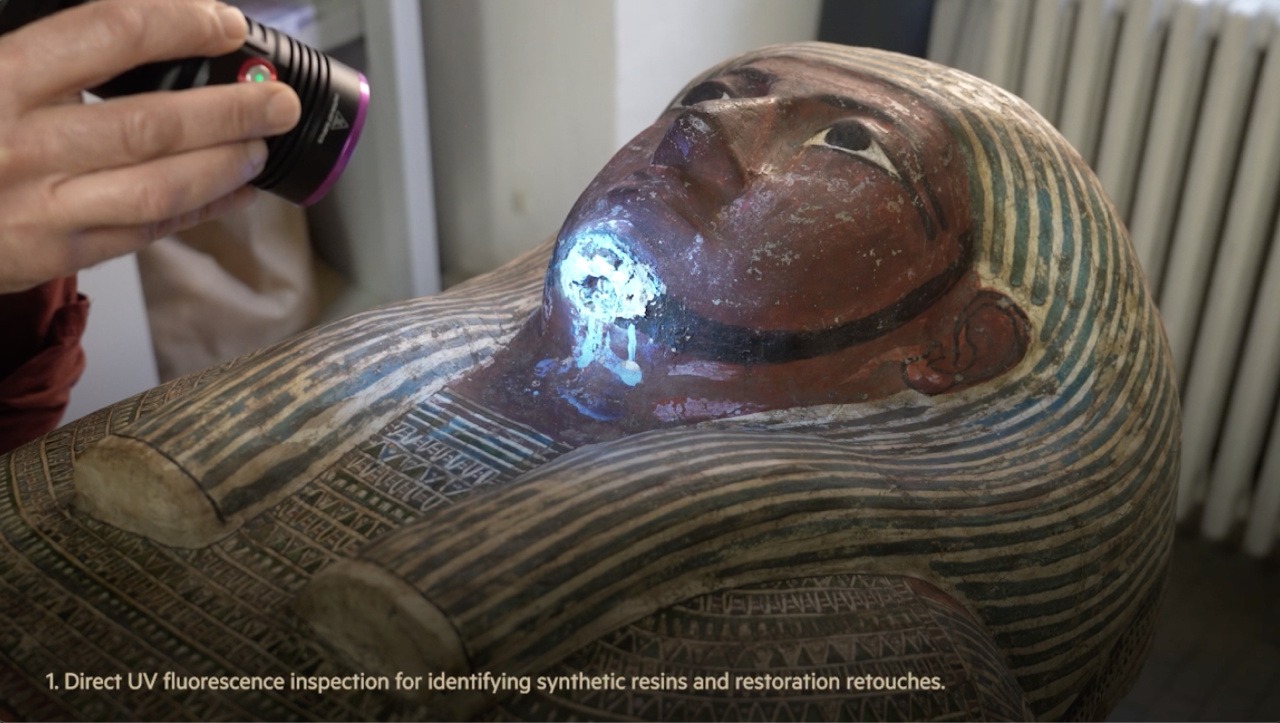
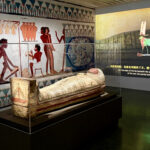
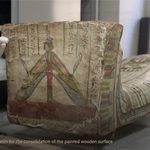
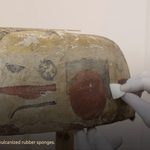
The first is one of the exhibition’s star pieces, the painted wooden sarcophagus of Padihorpakhered, from the Third Intermediate Period (25th Dynasty, 775–656 BCE). Before it could travel, the sarcophagus required significant conservation, notably to address areas where the painted surface was at risk of detaching. The restoration stabilised the fragile wooden structure and secured its painted decoration and inscriptions.
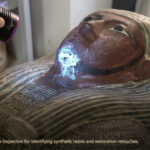
The conservation process itself then became part of the exhibition narrative. The work was filmed, and a video shown beside the sarcophagus featured restorer Dr Emiliano Antonelli of CROMA Srl at work, giving visitors a glimpse of what happens to an object before it can go on display.
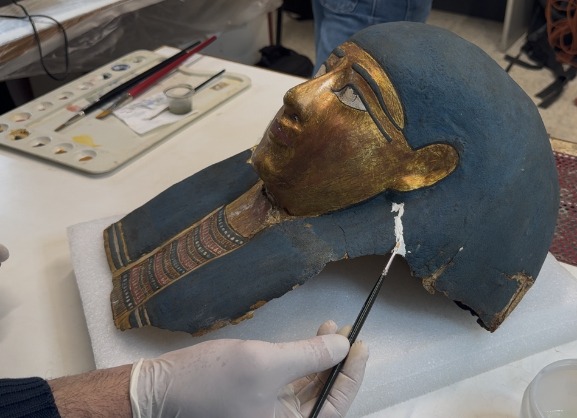
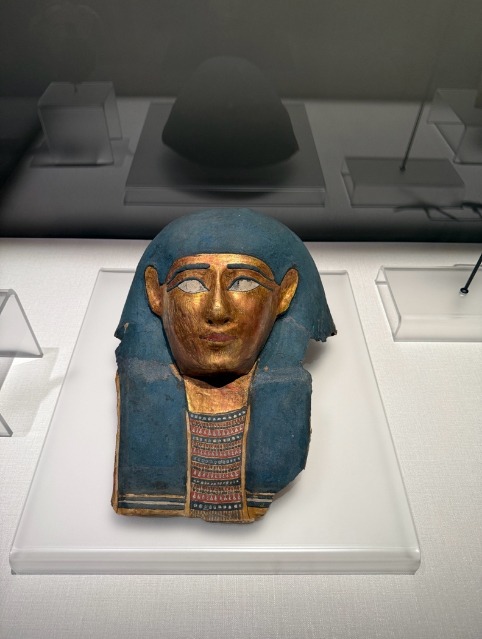
The second is a mummy mask from the Ptolemaic Period (323–30 BCE). Made of cartonnage, layers of linen stiffened with plaster before being painted and gilded, it was placed over the mummy’s wrappings to cover the face. Like the sarcophagus, it was restored for the tour: its surface was cleaned to remove deposits and old synthetic resins that had altered the colours and gilding, the original textile layers were consolidated and reattached, and a tear around the neck was repaired using materials compatible with the original.
Many more objects were restored thanks to the touring exhibition and the collaboration between the Museo Archeologico Nazionale of Florence and Contemporanea Progetti. The exhibition toured successfully through Europe, Asia and North America, and every time a new edition was developed, new restoration work was undertaken.
The impact therefore extended far beyond the international tour. When the objects returned to Florence, many were now in a condition to join the permanent display, giving local audiences access to works that had previously been out of view. In this case, the exhibition not only travelled internationally, it permanently enriched the museum’s own collection. Such a process creates value on several levels. Lending museums secure additional resources for their collections, objects gain international visibility and renewed cultural recognition, and many go on to a new life in the museum’s permanent galleries.
Next in the series: Beyond the Tour: How Touring Exhibitions Foster the Rediscovery of Collections and Artists
Beyond the Tour: How Touring Exhibitions Create Lasting Value is a three-part series.
Part 1: Beyond the Tour: How Touring Exhibitions Support Conservation
Part 2: Beyond the Tour: How Touring Exhibitions Foster the Rediscovery of Collections and Artists
Part 3: Beyond the Tour: How Touring Exhibitions Build Bridges Between Cultures